
farhanasherin.com

Author name: farhanacreate@gmail.com

Uncategorized

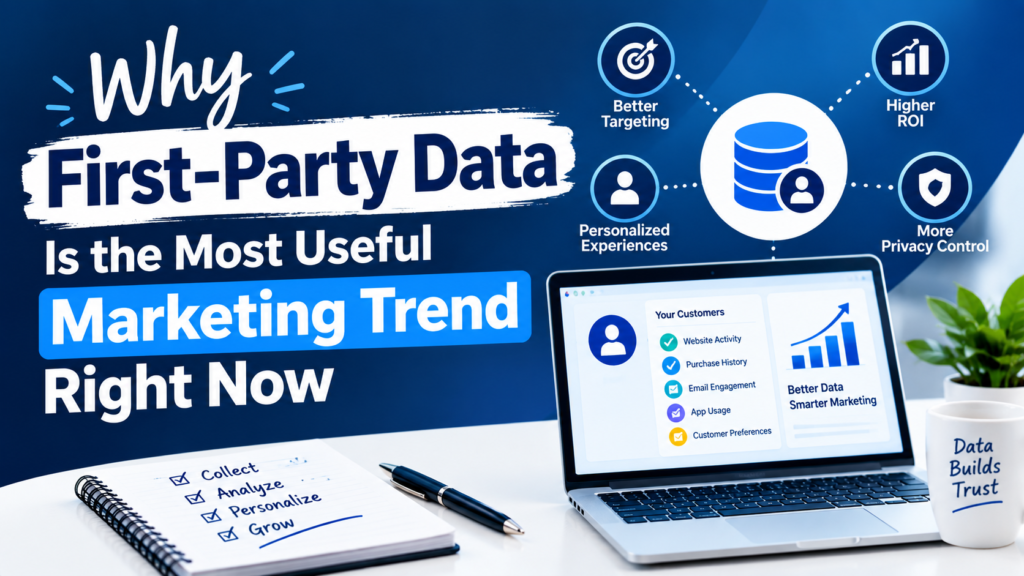
Why First-Party Data Is the Most Useful Marketing Trend Right Now

Marketing trends come and go, and plenty of them are just new labels on old habits. One shift is different: the move from borrowed audience data to information customers share with you directly. It changes how businesses of every size find, keep, and understand their customers, and it pays off in ways that go beyond compliance. What first-party data actually means First-party data is information you collect yourself, through your own channels, with the customer’s knowledge. That includes email sign-ups, purchase history, survey answers, account preferences, app behavior, and the questions people ask your support team. The alternative, third-party data, is compiled by outside companies that track people across many sites and sell the resulting profiles. For years, third-party tracking was the backbone of online advertising. That foundation has weakened. Browsers block trackers by default, mobile operating systems require explicit permission for tracking, and privacy laws in many regions demand clear consent. Marketers who depended on invisible tracking have had to rethink their approach, and the ones who invested in direct relationships are in a stronger position. Why it works better, not just differently It would be easy to treat this as a defensive move, something you do because regulators and platforms force you to. In practice, the data itself is simply better. It is more accurate. When someone tells you they are shopping for a first apartment, that beats any guess drawn from browsing patterns. Inferred interests are often wrong, outdated, or based on a shared device. Declared interests come straight from the person. It is yours. If your entire audience lives on one social platform, a single algorithm change can cut your reach in half. An email list or customer database does not disappear when a platform changes its rules. This gives you stability that rented audiences never can. It builds trust. People are more aware of how their information is used than they were a decade ago. Businesses that explain what they collect and why, and then deliver something useful in return, earn goodwill that shows up in open rates, repeat purchases, and referrals. It sharpens measurement. Without cross-site tracking, marketers can no longer assume a dashboard tells the whole story. That has pushed teams toward better habits: asking customers how they found the business, running holdout tests to see what a campaign truly added, and comparing channels by revenue instead of clicks. How to put it into practice The idea is simple, but it takes deliberate effort. Here are the steps that tend to matter most. Give people a real reason to share. Nobody hands over information for nothing. A local bakery might offer a birthday treat in exchange for a date and email address. A software company might offer a free template or an assessment that produces personalized results. The exchange should feel fair and immediate. Ask for information gradually. A long sign-up form scares people away. Start with an email address, then learn more over time through preference centers, short polls, and behavior. This is sometimes called progressive profiling, and it respects the customer’s patience. Be transparent. Say plainly what you collect, how you use it, and how to opt out. Clear language beats a wall of legal text. Transparency is also the safest way to stay compliant with privacy regulations. Use the data to make things easier for the customer. Personalization works when it saves someone time: recommending the right refill, skipping a promotion for something they already bought, or sending a reminder when they usually reorder. It backfires when it feels invasive, so if a message would make a customer wonder how you knew, it probably goes too far. Connect your systems. Data scattered between a website, an email tool, a point-of-sale system, and a spreadsheet is hard to use. Even a simple setup that brings these together gives you a clearer picture of each customer. The honest downsides This approach is slower than buying ads. Building a list of ten thousand engaged subscribers takes months or years, while a paid campaign can reach that many people in a week. It also requires ongoing care: keeping data clean, respecting opt-outs, and protecting what you store. A security breach involving customer information can do serious damage to trust. There is also a temptation to collect everything just in case. That is a mistake. Every extra data point is something you must secure and justify, so collect what you will actually use. Why it compounds Paid advertising stops producing results the moment you stop paying. A well-tended base of first-party relationships keeps working. Every subscriber, loyal customer, and survey response adds to an asset that gets more valuable as you learn from it. Your emails improve because you know what people respond to, your product decisions improve because you hear directly from buyers, and your ad spending becomes more efficient because you can build audiences from customers who already like what you do. For small and mid-sized businesses without huge budgets, this is especially valuable. You cannot outspend larger competitors on ads, but you can know your customers better and treat them better. The takeaway The most useful digital marketing trend is not a new platform or a clever tactic. It is a change in mindset: treat customer information as something earned through trust rather than taken through tracking. Businesses that adopt that mindset gain better data, steadier channels, and stronger relationships, and those benefits last regardless of which platform or algorithm changes next. This is written from scratch, but before publishing it, run it through a plagiarism checker such as Grammarly or Copyscape, and add your own examples or statistics to make it distinctly yours. I can also put it in a Word or Markdown file if you’d like.
Uncategorized

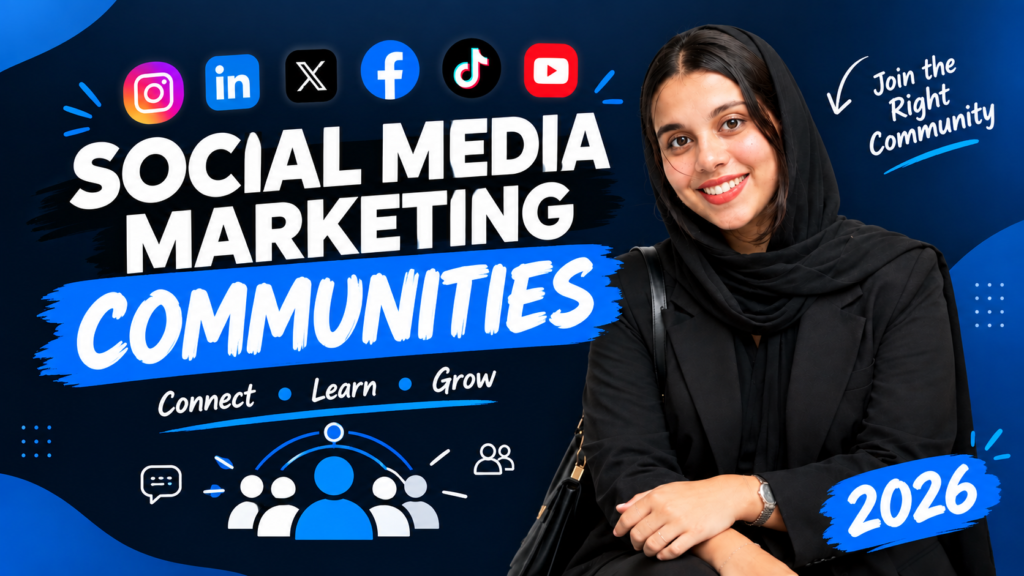
Best Digital Marketing Blogs, Podcasts, and Communities to Follow in 2026

People ask me this question all the time — “where do you actually learn this stuff from?” And I get why. Digital marketing changes so fast that whatever you learned last year is probably half outdated already. Algorithms shift, platforms roll out new features every other month, and what worked six months ago on Instagram might barely move the needle today. So staying plugged into the right blogs, podcasts, and communities isn’t optional anymore — it’s how you keep from falling behind. Let me walk you through what’s actually worth your time, and just as importantly, what to be careful of. Blogs Worth Bookmarking HubSpot Blog is usually where I point beginners first. It covers everything from inbound marketing basics to deep dives on automation, and it’s written in a way that doesn’t assume you already have a marketing degree. Search Engine Land is the one I check when I want SEO and paid search news that’s actually current — algorithm updates, ranking factor changes, that sort of thing. If you’re running Google Ads or doing SEO work seriously, this should be in your regular reading list. Moz Blog goes a level deeper than most SEO content out there. Instead of just telling you what to do, it explains why certain SEO tactics work, which honestly makes you a better marketer in the long run rather than someone just following a checklist. Content Marketing Institute is great if content strategy is your focus. Their case studies are backed by real data, not just opinions, which is refreshing in a space full of “hot takes.” Neil Patel’s blog is heavy on practical, do-it-today tactics. Less theory, more “here’s exactly how to do this.” Podcasts That Are Actually Worth Your Commute If reading isn’t your thing, or you just want to learn while driving or doing chores, podcasts are a great alternative. Marketing School by Neil Patel and Eric Siu is short — usually under ten minutes an episode — which makes it easy to fit into a busy day. They cover a new marketing topic almost daily. The Marketing Companion by Mark Schaefer and Brooke Sellas takes a more conversational, sometimes contrarian approach. It’s good for when you want to think differently about a topic rather than just get a quick tip. Social Media Marketing Podcast by Michael Stelzner is solid if social platforms are your main focus. It usually features practitioners actually running campaigns, not just theorists. Communities Where the Real Conversations Happen Blogs and podcasts are one-way — someone talks, you listen. Communities are where you actually get to ask questions and see what other marketers are struggling with in real time. r/marketing and r/digital_marketing on Reddit are surprisingly useful once you filter out the noise. People share genuine wins, failures, and questions here that you won’t find polished into a blog post. GrowthHackers community is worth joining if you’re into experimentation and growth-focused marketing. Lots of real case studies from people testing things on actual budgets. LinkedIn groups and creator communities tied to specific niches — SEO, paid ads, email marketing — tend to have the most current discussions, simply because marketers post about what’s changing before it even makes it into a blog article. A Word of Caution Here’s something I’ll be honest about — a huge chunk of “marketing blogs” popping up on Google these days are basically AI-generated filler. They sound polished on the surface, use all the right buzzwords, but say nothing useful once you actually read through them. No real examples, no numbers, no personal experience behind the advice. My advice? Before trusting a source, check if there’s an actual person behind it — someone with a name, a track record, maybe even a LinkedIn profile you can verify. Look for real case studies with real numbers, not vague claims like “boost your traffic instantly.” If a blog reads like it could’ve been written about any industry with a few words swapped out, that’s usually a red flag. Final Thought You don’t need to follow fifty sources to stay updated. Pick two or three blogs, one podcast, and one active community, and actually engage with them regularly. Consistency beats quantity every time — that’s true whether you’re learning marketing or doing marketing.

Uncategorized

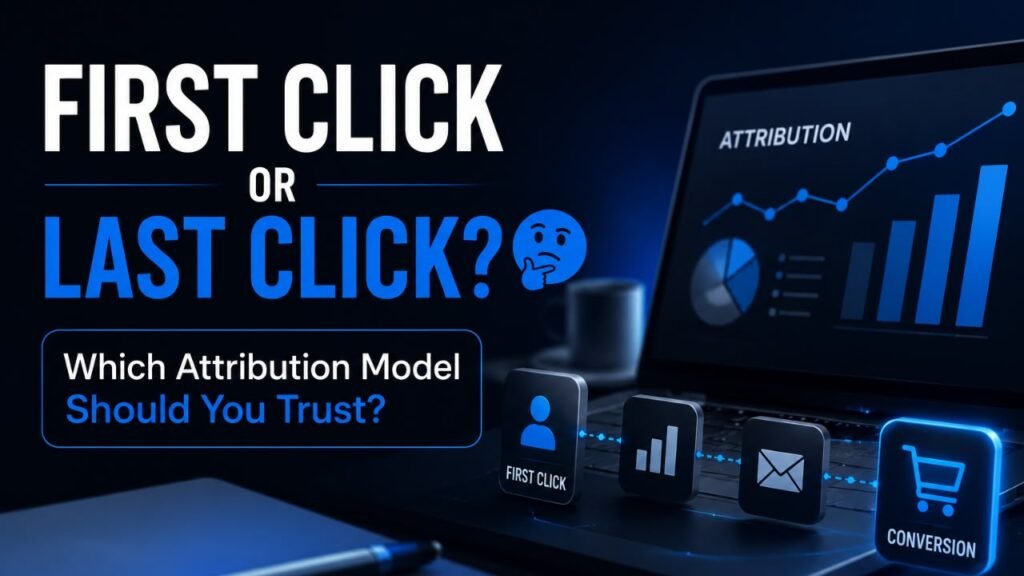
Marketing Attribution Models Explained: Which One Should You Actually Trust?

Okay, let’s talk about something that trips up almost every marketer I know — attribution models. If you’ve ever stared at your analytics dashboard wondering why Google Ads gets all the credit while your blog posts and email campaigns look like they did nothing, this one’s for you. Here’s the thing nobody tells you upfront: there’s no single “correct” way to measure which marketing channel actually gets you a sale. It depends entirely on which attribution model you’re using — and different models will tell you completely different stories about the same customer journey. So let’s break down the four models that matter most: first-touch, last-touch, linear, and time-decay attribution. First-Touch Attribution: Who Started the Conversation? First-touch is exactly what it sounds like. Whatever channel brought a person to your brand for the very first time gets 100% of the credit for the eventual sale — even if that happened eight months before they actually bought anything. I like this model when I’m trying to figure out what’s working at the top of the funnel. If you’re spending money on content marketing, SEO, or paid social to build awareness, first-touch attribution tells you which of those efforts is actually pulling people in. The catch? It completely ignores whatever it was that sealed the deal later. A blog post that introduced someone to your brand gets all the glory, even though the retargeting ad or the follow-up email might be what actually closed the sale. Last-Touch Attribution: Who Closed the Deal? This is the model most tools default to, and honestly, it’s the easiest to set up. Whatever the customer interacted with right before converting gets full credit. Clicked a retargeting ad and bought the product ten minutes later? That ad gets 100% of the credit. Last-touch makes a lot of sense for short buying cycles — think simple online purchases where someone sees an ad, clicks, and buys within minutes. But if your customers take weeks or months to decide, this model can be seriously misleading. It makes your bottom-of-funnel channels (retargeting, branded search) look like superstars while completely writing off the awareness-building work that got the customer there in the first place. Linear Attribution: Everybody Gets a Trophy Linear attribution takes a more democratic approach — every single touchpoint in the customer’s journey gets equal credit. Five interactions before the sale? Each one gets 20%. This is a good middle-ground model if you genuinely believe every touchpoint played a real role and you don’t want to arbitrarily favour the first or last interaction. It’s especially useful as a sanity check alongside a more specific model. The downside is that it treats a passing glance at a display ad the same as someone actively requesting a demo — which, let’s be honest, isn’t really fair either. Time-Decay Attribution: Recency Matters Time-decay attribution sits between last-touch and linear. It gives more credit to touchpoints that happened closer to the actual conversion, and progressively less credit to older ones. So an email a customer opened three days before buying gets more weight than an ad they saw three months earlier. This model works really well for longer, more considered purchases — B2B sales, high-ticket items, anything with a genuine decision-making phase. It respects the idea that as someone gets closer to buying, their more recent interactions probably matter more, without completely dismissing what started the journey. So Which One Should You Use? Honestly? Most marketing teams I know don’t stick to just one. They’ll use last-touch for quick day-to-day decisions — like deciding whether to pause an underperforming ad — and lean on linear or time-decay for bigger-picture budget planning. If your ad platform and your analytics tool are disagreeing with each other, that’s usually a sign you need a proper multi-touch attribution setup rather than trying to force one model to explain everything. A Few Digital Marketing Blogs Worth Following People often ask me where I keep up with this stuff, so here are a few that consistently put out solid, practical content rather than fluff: A word of caution though — a lot of “marketing blogs” these days are just AI-generated content stitched together to rank on Google. They read fine on the surface but rarely say anything useful once you dig in. Stick to sources that show real case studies, actual numbers, and writers with a name and a face attached — that’s usually a good filter. At the end of the day, attribution isn’t about finding the “perfect” model. It’s about picking the one that answers the question you’re actually trying to answer — and being honest with yourself about what it can’t tell you.

Uncategorized

Digital marketing courses that actully work in 2026-what I’d actually recommend

Every second day somebody messages me asking the same question — “Which digital marketing course should I join?” And honestly, I get why people are confused. Open YouTube and you’ll see fifteen ads promising “become a digital marketing expert in 30 days, earn lakhs from home.” Open Instagram and there’s a new “institute” every week claiming placement guarantees. It’s exhausting, and most of it is just noise trying to get your money before it teaches you anything useful.So I sat down and actually went through what’s working right now, in 2026, cutting through the marketing gimmicks (ironic, since we’re talking about marketing courses) to figure out which ones genuinely build skill and which ones are just certificates that look nice on LinkedIn but teach you nothing you can use on day one of a job. Here’s what I found, and here’s what I’d tell a friend if they asked me over chai.First, A Reality Check Before You Pay for AnythingBefore we get into names, understand one thing — no course, no matter how expensive, will make you good at digital marketing by itself. What separates people who actually get hired from people who just collect certificates is simple: did you build something real during the course, or did you just watch videos and take a quiz?A recent example that proves this point well — when Google rolled out a core algorithm update earlier this year, a lot of marketers who were leaning on old keyword-stuffing tricks saw their rankings drop overnight. The ones who survived were the ones who actually understood strategy, not just techniques memorised from a course PDF. That’s the real test of whether a course is worth your money — does it teach you to think, or does it teach you to copy a checklist?Keep that in mind while reading the list below.

Scroll to Top